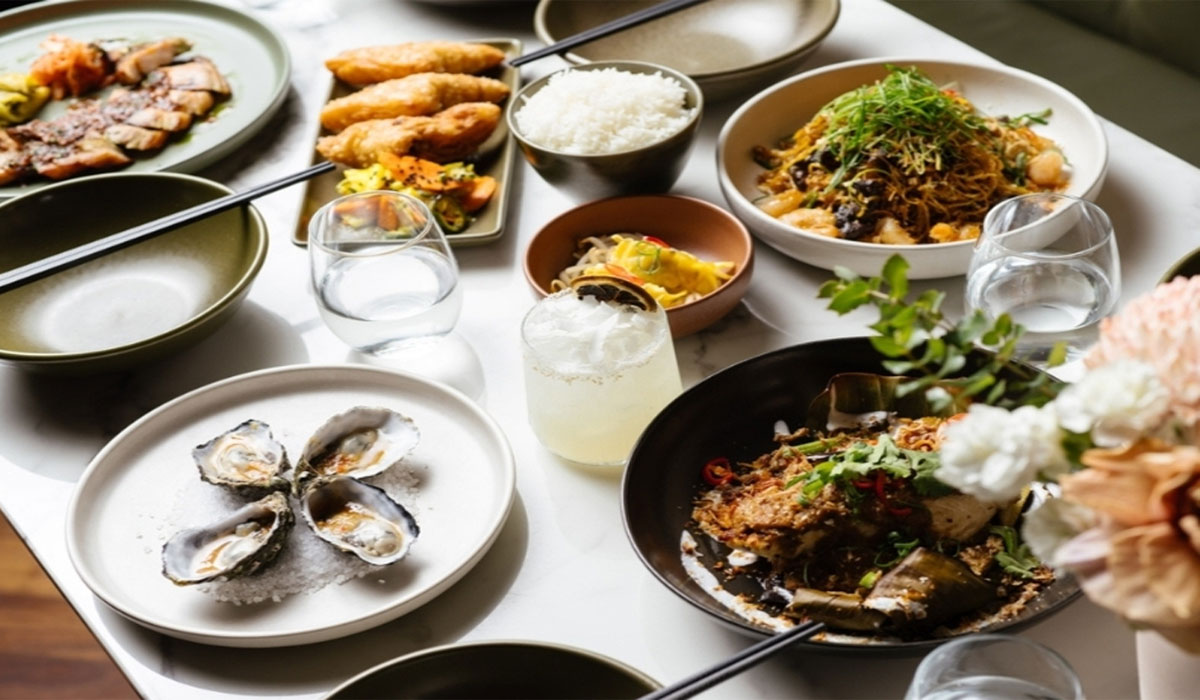
Hidden Food Secrets That Could Transform Your Taste Buds
Some culinary secrets have been guarded for generations, capable of elevating ordinary meals into extraordinary experiences.
These hidden techniques often involve subtle combinations of ingredients, precise cooking methods, and timing that casual cooks rarely notice. From fermentation processes that enrich flavor to the careful layering of spices, every detail contributes to a dish’s unique taste. Many of these secrets are passed down orally or through apprenticeship, ensuring that only those who are truly dedicated can master them. Read more only at Elevated Stays and Experiences.
Ancient Techniques That Elevate Flavor
Many of the most transformative food secrets come from ancient cooking methods. Fermentation, for example, is a time-honored practice that not only preserves food but also enhances taste and nutritional value. Techniques used to ferment vegetables, grains, and even dairy have been passed down through generations, creating flavors that modern recipes often fail to replicate.
Smoking and slow-roasting are other traditional methods that infuse food with depth and complexity. Different woods, spices, and temperatures can dramatically affect flavor, producing layers that tantalize the taste buds. These techniques, while simple in concept, require patience and precision, which is why they are considered culinary secrets.
Some ancient methods also involve subtle chemical reactions that transform ingredients naturally. For instance, marinating meat with specific herbs or acids can tenderize while amplifying flavor, a practice known to traditional cooks but often overlooked in modern kitchens. Mastering these techniques allows food lovers to unlock flavors that feel almost magical.
Secret Ingredients That Make a Difference
Certain ingredients have the power to elevate dishes far beyond their ordinary taste. Some spices, herbs, or extracts are carefully guarded because their unique properties can completely redefine a meal. Chefs often know which combinations will create balance, surprise, or a memorable punch of flavor.
Rare ingredients such as saffron, truffles, or exotic salts are famous for their impact, but many less-known items exist that are equally transformative. Wild mushrooms, for example, can add umami depth, while specific fermented pastes bring layers of richness to sauces or soups. These ingredients are often local treasures, sourced from regions where they grow naturally and harvested with care.
Even everyday ingredients can hold secrets. Simple vegetables or fruits may have subtle flavor enhancements when prepared at certain times of day or combined with specific elements. Understanding these hidden properties can turn ordinary recipes into culinary masterpieces, revealing a world of taste that most diners never experience.
Also Read: Stepping Into The Unknown A Journey To Foreign Lands
Techniques That Chefs Keep To Themselves
Professional chefs often rely on little-known techniques that aren’t found in cookbooks. For instance, layering flavors through careful sequencing of ingredients can create surprising depth, making every bite feel complex without overwhelming the palate. Timing and temperature control are also crucial, and small adjustments can transform a dish entirely.
Another hidden technique involves texture. Many chefs use specialized methods to achieve contrasts, like combining creamy and crunchy elements or balancing moisture with crispness. These subtle touches create sensory experiences that go beyond taste, engaging multiple senses to heighten enjoyment.
Plating and presentation also influence perception. How a dish is arranged, the colors used, and even the choice of dishware can affect taste perception. These techniques are often kept secret because they are closely tied to the chef’s personal style, elevating ordinary food into an unforgettable experience.
Regional Secrets That Survive Generations
Local communities often guard culinary traditions that outsiders rarely see. Recipes passed down through families can include specific ingredient ratios, preparation methods, or fermentation times that are never written down. These secrets preserve cultural identity and provide flavors unique to a region.
Street food and small local restaurants frequently showcase these hidden culinary practices. Dishes may include rare herbs, special cooking oils, or proprietary spice blends that create a flavor profile impossible to replicate elsewhere. Sampling these foods offers insight into the region’s history, climate, and traditions.
Many of these techniques also reflect health and nutrition wisdom. Indigenous or local practices often combine flavor with functional benefits, such as boosting immunity or aiding digestion. These hidden practices show that food can be both delicious and profoundly beneficial, creating a holistic experience that modern fast food rarely achieves.
Image Information Source:
- First Image of www.golfmonthly.com
- Second Image of www.golfmonthly.com