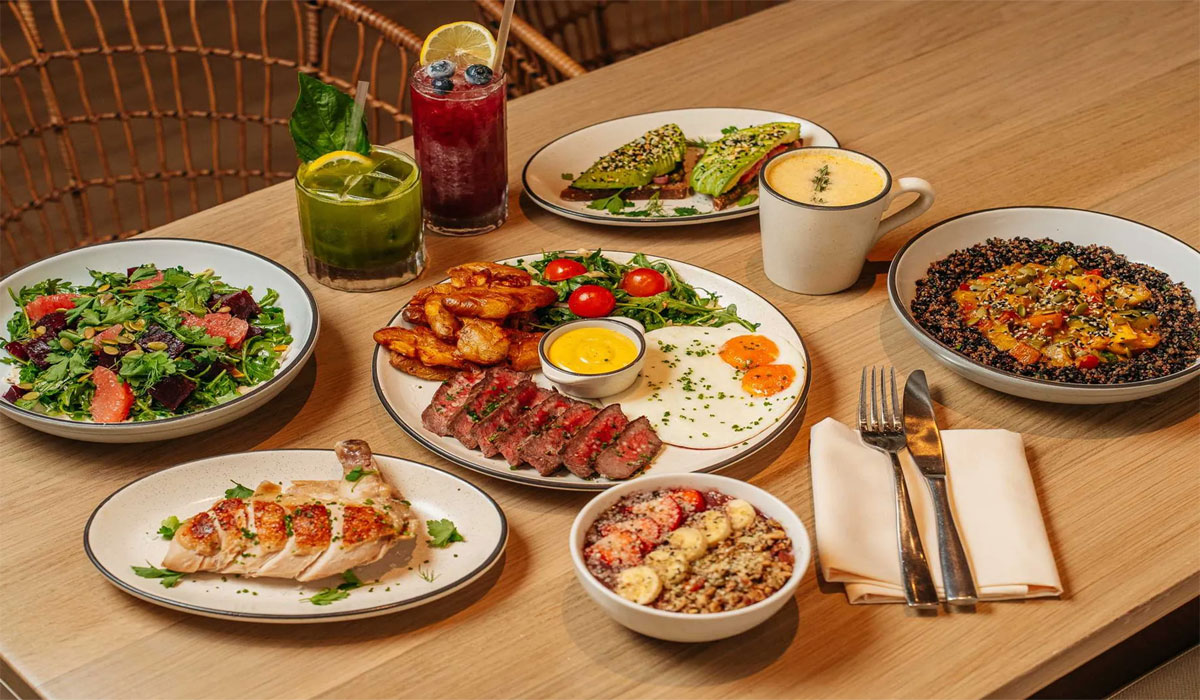
Traditional Indonesian Foods That Are Becoming Rare and Must-Try
Indonesia is known as a country with an extraordinary diversity of culinary traditions reflecting rich culture and heritage worldwide.
Every region has its own distinctive traditional foods that reflect local culture, history, and wisdom. However, as time goes by, many traditional dishes are becoming increasingly difficult to find and some are even close to disappearing.
This is influenced by lifestyle changes, declining interest among younger generations, and the dominance of modern fast food. Below we Elevated Stays and Experiences will provide interesting information that you must know.
History And Cultural Richness Of Traditional Cuisine
Indonesian traditional cuisine was born from a long history of cultural development and interaction. Most dishes are made using local ingredients that are easily found in the surrounding environment. The cooking techniques have also been passed down from generation to generation, making each dish carry strong cultural meaning and heritage.
In the past, traditional food played an important role in daily life as well as in cultural ceremonies and rituals. Many traditional cakes and dishes were served during celebrations or important community events. However, today many of these foods are being replaced by instant meals that are considered more practical and time efficient.
Despite this shift, Indonesia’s traditional culinary diversity remains a priceless heritage. Each region offers unique flavors ranging from sweet and savory to spicy, reflecting the character of its people. Without proper preservation, this cultural richness may eventually disappear and remain only in historical records.
Examples Of Rare Traditional Foods From Various Regions
Some traditional Indonesian foods that are now rarely found include kue rangi from Betawi, jepa from West Sulawesi, and sego gamel from East Java. These foods were once popular among local communities but are now only available in certain places or special events.
There are also dishes such as lempah kuning from Bangka Belitung and nasi jemblung from rural areas in Java. These foods have unique and distinctive flavors because they use traditional ingredients and cooking methods that are rarely used in modern cuisine. This uniqueness makes them special and worth trying.
Unfortunately, these traditional dishes are becoming less common due to the lack of promotion and a declining number of people who continue making them. Many younger generations no longer learn how to prepare these dishes, causing the original recipes to gradually disappear. If this continues, these foods may eventually become extinct.
Read Also: Mandarin Oriental Jakarta Amenities That Feel Too Luxurious To Be Real!
Factors That Cause Traditional Cuisine To Become Rare
One of the main factors is the modern fast paced lifestyle. Many people prefer instant or fast food because it is more convenient compared to traditional cooking, which often requires more time and effort.
Another factor is the lack of interest among younger generations in learning traditional cooking. Many consider traditional food less appealing compared to modern dishes that look more trendy and attractive. This results in fewer people continuing the culinary traditions.
In addition, limited documentation and promotion also contribute to the problem. Many traditional recipes are passed down orally without written records. As a result, when the older generation is gone, many recipes are lost and difficult to recover.
Efforts To Preserve Indonesian Culinary Heritage
Preserving traditional cuisine can be done in several ways, one of which is reintroducing regional foods to younger generations. Schools and culinary communities can play an important role in teaching how to prepare traditional dishes so they are not forgotten.
Social media can also be an effective tool for promoting traditional cuisine. With engaging content, traditional foods can regain popularity and even become trends among modern society.
Support from the government and culinary businesses is also essential in maintaining this heritage. Food festivals and cooking workshops can serve as platforms to introduce Indonesia’s rich culinary diversity to a wider audience.
Conclusion
Traditional Indonesian cuisine is a cultural heritage that holds great historical and identity value. Each dish represents the unique culture of its region and cannot be replaced by modern food.
However, challenges such as lifestyle changes and declining interest among younger generations have caused many traditional dishes to fade away. This situation serves as a warning that preservation efforts must be taken seriously.
With cooperation between communities, younger generations, and relevant stakeholders, Indonesian traditional cuisine still has a strong chance to survive and be appreciated by future generations.
Image Source:
- First Image from food.detik.com
- Second Image from planktontour.id